

Postdoctoral position
Moralizing Politics: The Practice of Judging Others (MoPo)
Key developments in contemporary politics share a tendency of moralization. People moralize politics when they judge each other and assess them as good or bad people.
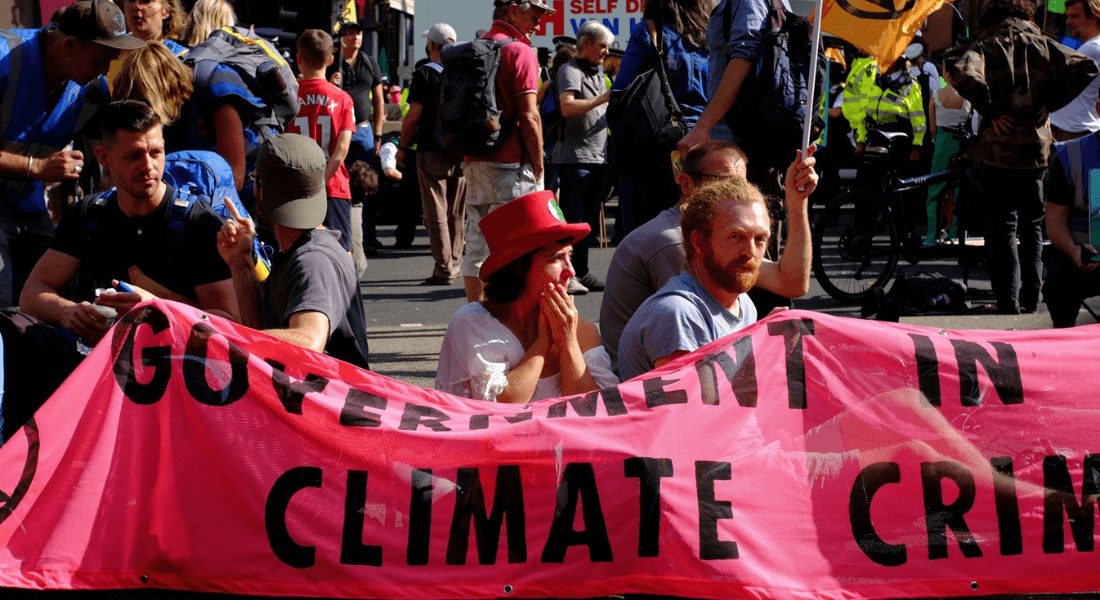
How does this moralization of politics affect democracy? Is the human propensity to judge others pernicious or beneficial for democratic politics? MoPo researches how we can transform moralization into a resource that strengthens democracy.
Modern politics is shaped by moral judgment. From cancel culture to climate shaming and the evaluation of work, citizens are not just debating policies; they are judging one another’s character. This moralization can reinforce democratic accountability, but it can also deepen polarization and hostility.
MoPo breaks new ground by developing a new conceptualization of moralizing politics as well as a unique methodological approach – practice-sensitive reflective equilibrium – for combining philosophical analysis of moral responsibility and blame, on the one hand, and research on actual practices of moral judgment in different cases, on the other hand. The project seeks to understand the meaning and value of social practices of moral responsibility ascriptions, approaching moralized politics as having roots in people’s deep concern with how they are regarded and treated by other people.
The project includes four case studies of moralizing politics, examining whether the kind of judging and reactions to being judged normatively should vary depending on political issue, actors involved, and the arena:
Cancel Culture: Human Equality and Respect. Investigates cancel culture as a practice in which named persons are called out for what the accusers regard as violations of fundamental moral principles.
The Dignity of Work: Social Value and Esteem. Examines how work is being moralized and the interplay between how political elites speak about the value of work and how people feel judged for their contributions to society.
Fake News: Truth and Epistemic Justice. Theorizes how current political contestations over truth and knowledge relate to the epistemic function of democracy and equal respect for people as knowers.
Climate Shaming: Responsibility to Human and Non-Human Others. Combines analyses of the extended scope of ethics and democratic theory with the moralizing struggles surrounding climate politics.
The MoPo project will recruit one postdoc and two PhD students to begin in the fall of 2026. We are looking for candidates with a strong background in political theory or philosophy and the skills to conduct qualitative case studies.
The following positions are expected to be officially announced in the near future:
- PhD Scholarship: Moralizing Politics and Cancel Culture (Aug. 2026 – July 2029).
- PhD Scholarship: Moralizing Politics and the Dignity of Work (Aug. 2026 – July 2029).
- PhD Scholarship: Moralizing Politics and Fake News (Aug. 2027 – July 2030).
- Postdoc: Moralizing Politics and Climate Shaming (Aug. 2026 – July 2030).
- Postdoc: Moralizing Politics, Deliberative Ideals, and Democratic Innovations (January 2027 – December 2030).
All positions will be announced through the UCPH Job Portal. Please check this page regularly for the official calls for applications during the start-up phase in early 2026.
Researchers
| Name | Title | Phone | |
|---|---|---|---|
| Rostbøll, Christian F. | Professor | +4535323428 |